

Art was not supposed to be performative
on cheap dopamine, the artist's struggle, and finding your way back to yourself

been thinking a lot about sugar lately.
We all know the story. You’re feeling a little down, a little tired, and you reach for that piece of chocolate or that sugary drink. For a moment, it’s a perfect rush. A cheap, easy high. And then comes the crash. The headache, the sluggish feeling, the simple, physical guilt. Your body took a small hit, and now it’s paying the price.
And then I’ve been thinking about Instagram. The cheap, easy high of a notification. The rush of a new like, a new comment, a new follower. And then, the crash of 2025.
But the IG crash is different. It’s not in your body. It’s a quiet, hollow feeling in your soul. It’s the sudden, sinking awareness of what your life isn't. It’s a comparison hangover that no amount of water can fix.
Let me ask you something, and be honest.
Do you often feel like you are not doing enough after using IG?
Does it happen to you that you are replacing your sleep with chats with fellow insomniacs?
Do you experience creative blocks much more often now?
Have you gotten into a habit of scrolling through IG even when you are on a call with your boyfriend or girlfriend?
Do you feel the FOMO of not creating something that is in trend?
If you ticked even three of those, congratulations. We are doomed as a generation. (I am guilty too).
So, is Instagram really as bad as sugar? Or is it worse?
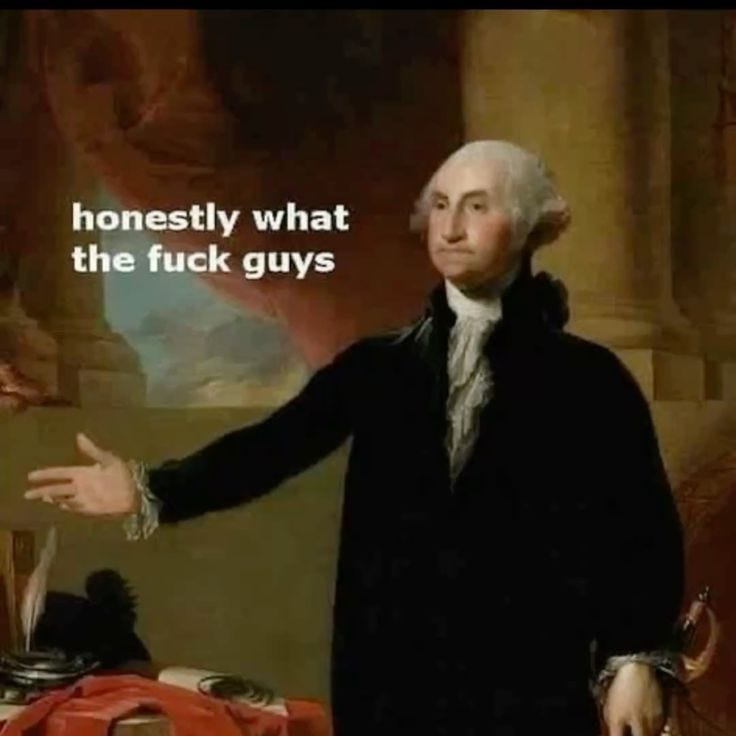
The Chemistry and the Circus
Imagine your brain has a little button called the “Good Job!” button. Its scientific name is dopamine, but that’s not important. When you do something your brain thinks is good for survival, it presses the button, and you feel a little buzz of pleasure and motivation.
Sugar is the most obvious way to press that button. For our ancestors, finding something sweet meant finding energy, so the brain rewards it like crazy. You eat sugar, you get a buzz. But it’s a cheap buzz. It doesn’t last, and soon your brain wants another hit. It drains you.
Instagram learned how to press that same button, but it attached it to your sense of self.
Every like, every follow, every positive comment is your brain hitting that “Good Job!” button. It’s telling you, “You are accepted. You are seen. You are worthy.” It’s a powerful, addictive feeling.
But just like sugar, it’s a cheap high. And the crash is so much worse, because it’s not just your energy that gets drained. It’s your self-worth.
And this is where it gets dangerous for anyone who creates. For artists, for writers, for anyone trying to make something honest.
Art was never about analysis.
Art is about feeling. But Instagram turns every artist into an analyst. It hands you a dashboard and forces you to stare at a circus of stats. How many likes? What’s the engagement rate? What did the audience respond to?
We start creating for the numbers, not for ourselves. We start making the art we think the algorithm wants, not the art that our soul needs to make.
Van Gogh could have never painted what he did if he had to check his insights afterward. He painted his truth, not for a circus of stats. And that’s what made it timeless.
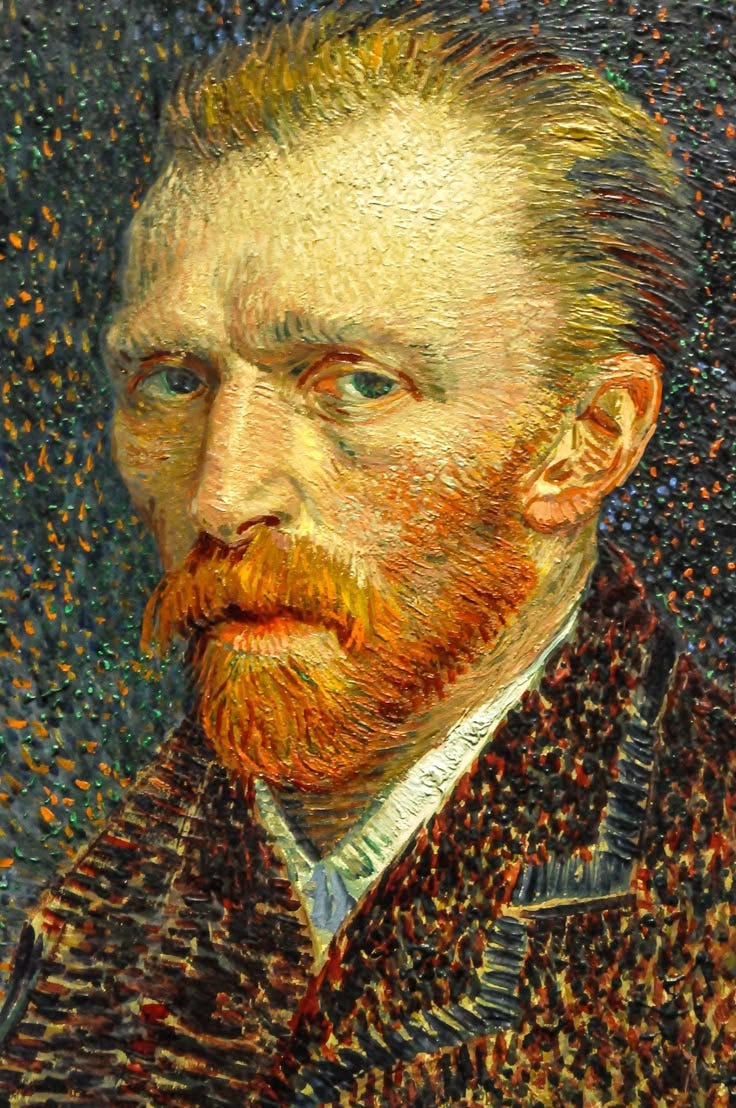
(Can you feel Van staring into your soul for cheating yourself? Artist to Artist?)
Story time :
This is about an artist.
Started young and became famous almost overnight. The world loved her. For years, she did everything right. She was the good girl, the people-pleaser. She worked tirelessly to earn the world’s applause, and that applause was the food she lived on. Her entire sense of self was tied to their validation.
The constant public scrutiny of her appearance had triggered severe body dysmorphia and led to an eating disorder. She was living on a diet of applause, but starving herself to fit the image.
And then, one day, the world turned on her.
The same voices that had built her up began to tear her down. She was called a snake, a liar. The validation she had chased her whole life was gone, replaced by a deafening roar of hatred. The world she had tried so hard to please had broken her.
So she disappeared. For a whole year, she went away. Not to a resort, but into hiding. She stopped reading the news. She stopped looking for their approval. She stopped listening to the noise of the world and, maybe for the first time, started listening to the quiet voice inside her own head.
When she came back, she was different. She wasn't asking for their approval anymore. She was just making her art, on her own terms. She wrote about her anger, her heartbreak, her reputation. And a funny thing happened. The art was more honest than ever before. And the world loved her more than they ever had.
In her interviews now, she talks about how she had to unlearn the addiction to applause. She had to learn to create from a place of internal validation, not external demand. Her music numbers are now bigger than ever.
And that artist is none other than Taylor Swift.
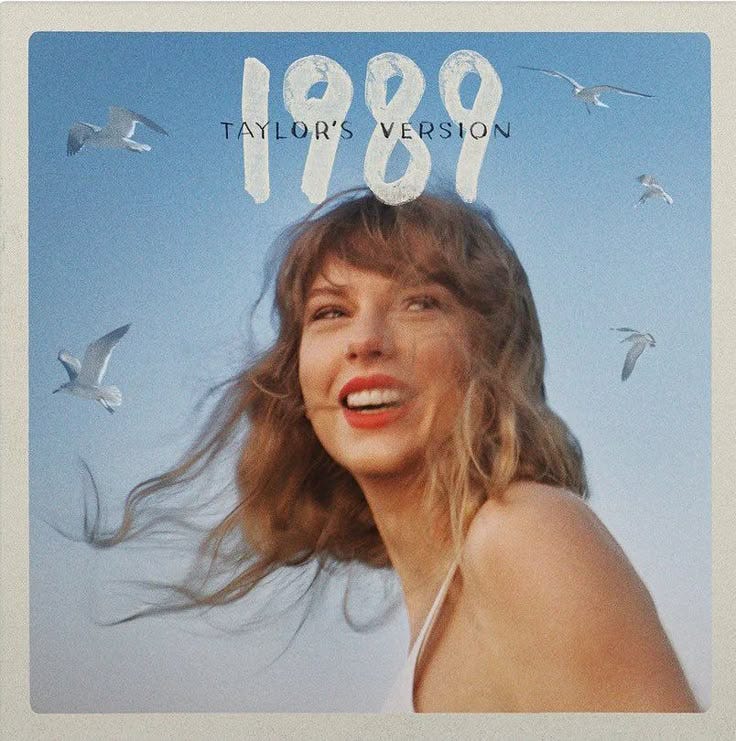
(Trust me I had no idea while planning this blog that T would be engaged!! screamin’?? : Your English teacher and your gym teacher are getting married 🧨)
The Antidote
I know so many true artists, so many creators, who are irritated with this whole algorithm thing. We are all tired of playing the game. So how do we sort this out?
The answer, I think, isn’t to try and beat the algorithm. It’s to decide that you’re not playing its game anymore. It's to make art for an audience of one: yourself.
I don’t have all the answers, but here are a few things that are helping me.
1. Create for the drawer.
I give myself permission to make things that no one will ever see. A poem in a locked note, a sketch in the back of a notebook. When there’s no audience, there’s no pressure. It’s just for me. It’s how I remember what my own voice sounds like.
2. Use a self-grading tracker.
This has been a game-changer. Before I post anything, I rate my own craft. If I look at it and I’m genuinely happy with it, if I feel like it’s honest, then I’ve already won. The circus of stats can’t touch that feeling.
3. Find your people, not your numbers.
I’m trying to focus on the 10 people who truly connect with my work, not the 10,000 who might scroll past it. I reply to comments. I build real connections.
Community is the antidote to the algorithm.
So is Instagram worse than sugar?
I think so. A sugar crash makes you want to take a nap. An Instagram crash can make you question your entire existence.
substack,
Sid.
I just loved your text. I'm new to the platform, trying to feed myself with something more complete than Instagram, and your text really moved me. I understand better how I feel about Instagram. I really like your writing style; you come across as genuine, as yourself. Reading your words feels like having a conversation with you. Well done!
wow, istg needed this